A dog that keeps finding the gap under the old boards, a new pool that needs a barrier, or a back lot line on a retention pond that has never had anything on it: most fence projects begin with one plain need. Lakeland Fence Co. is a fence company for homeowners in Lakeland and the nearby Polk County towns. We handle new wood, vinyl, aluminum and chain link fences, plus repairs and gates.
Lakeland is a city of lakes, and plenty of lots here slope down to the water or back onto a stormwater pond. That shapes the choice of fence as much as taste does. A tall privacy fence suits a side yard, while along the water many owners want something they can see through.
Getting a price is simple. Call or send the form and tell us roughly what you have in mind. We come out, walk the line with you and give you a free quote. Whether to go ahead is entirely your decision.
Not sure which material fits your yard? That is a normal place to start, and the visit is the right time to sort it out.
Each fence type has its own page: wood fences, vinyl fences, aluminum fences and fence repair.
Call 863-216-6430 or fill out the form to get started.
Free quote. No obligation.
New fences in four materials and repairs to all of them make up the work of a fence company here.


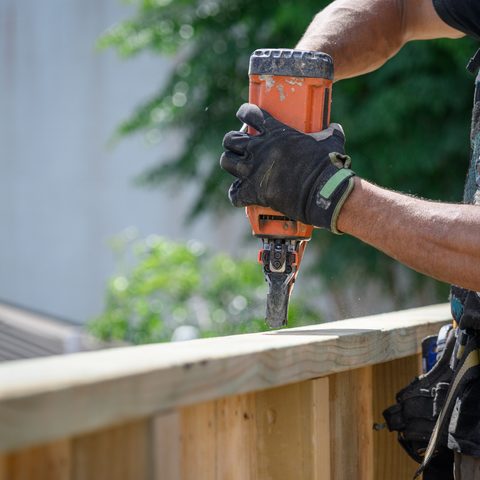
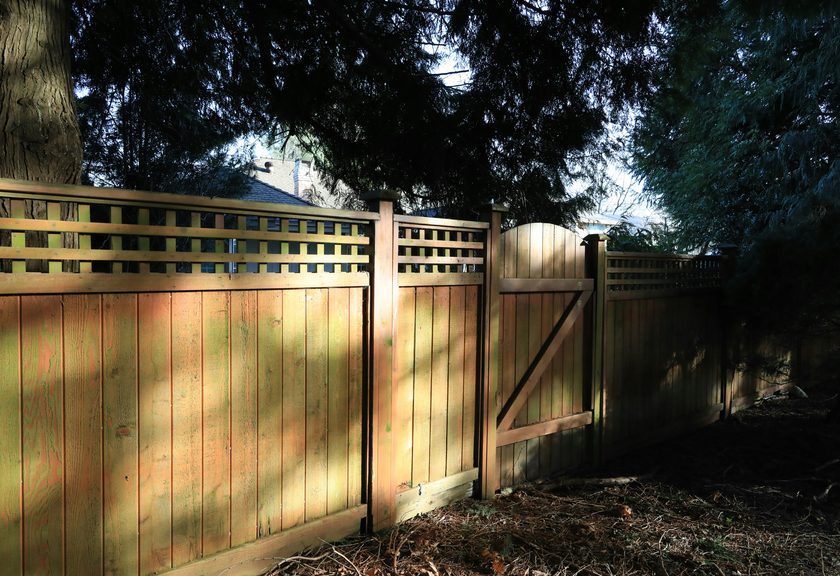
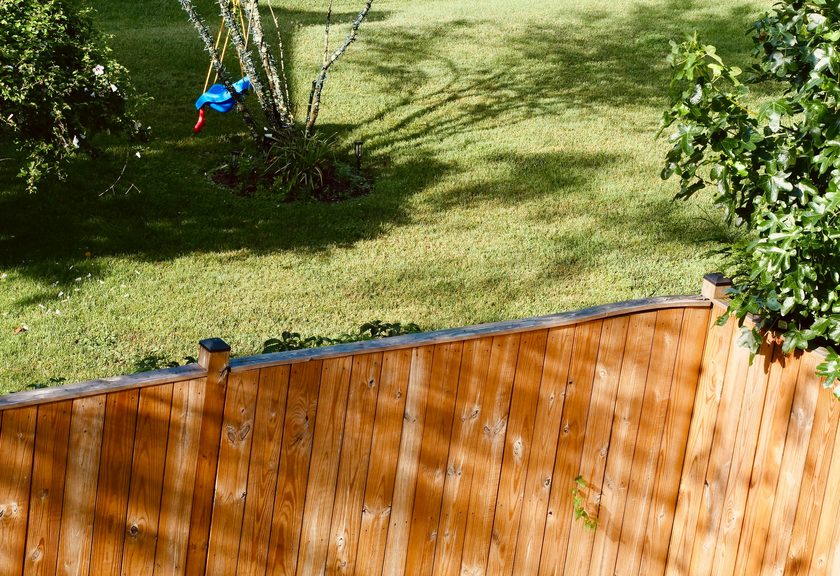
Wood suits the older homes near Lake Morton and in Dixieland as well as newer subdivisions. Dog-ear boards, shadowbox panels and board-on-board privacy runs are all common, some fresh and some gone silver with age. It is a natural starting point for most yards.
Wood in Florida does ask for some care. Posts sit in damp ground, and termites go after lumber that touches soil, so fence posts are generally pressure-treated for ground contact. A coat of stain or sealer every few years slows the graying and cupping that sun and rain bring on.
The wood fence page covers the common styles, what to settle with your HOA first, and how a wood fence generally goes in.
Vinyl appeals to people who are tired of staining. White, tan, gray and wood-grain textures are common options, in privacy, semi-privacy and picket styles. The color is part of the material instead of a coat on the surface, so there is no repainting.
Less upkeep is not the same as none. Florida humidity grows mildew and green film on any fence, and a white one shows it first. A garden hose, a soft brush and mild soap handle most of it.
Vinyl is a popular pick for privacy beside a pool deck or along a side yard in a newer subdivision. The vinyl fence page compares it with wood, aluminum and chain link.
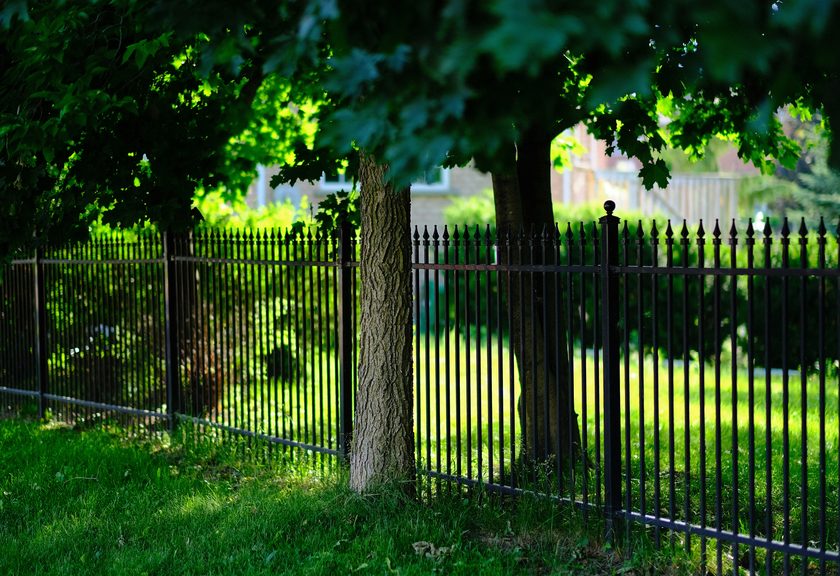
Aluminum is a natural fit when the yard ends at the water. The pickets are slim and spaced apart, so from the patio you still look across the lake or the pond behind the house instead of at a wall of boards.
It is also a common choice around pools. Pool barriers come with their own requirements, and the local building department is the place to ask what applies to yours.
Black is the usual color, with bronze and white also offered. It looks at home beside a new house or a 1920s bungalow. Styles, gates and lake lots are covered on the aluminum fence page.
Chain link is a steady part of fence work in Lakeland. Plenty of households keep a dog or two, and chain link is a plain, practical way to give them the run of the yard.
It also turns up along back lot lines, beside ponds and drainage areas, and on bigger properties, where a long run of wood would be a big project.
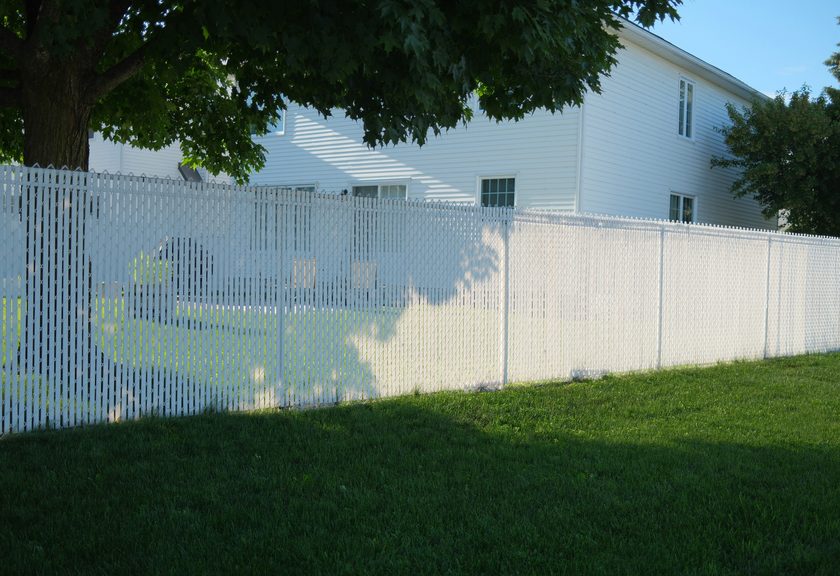
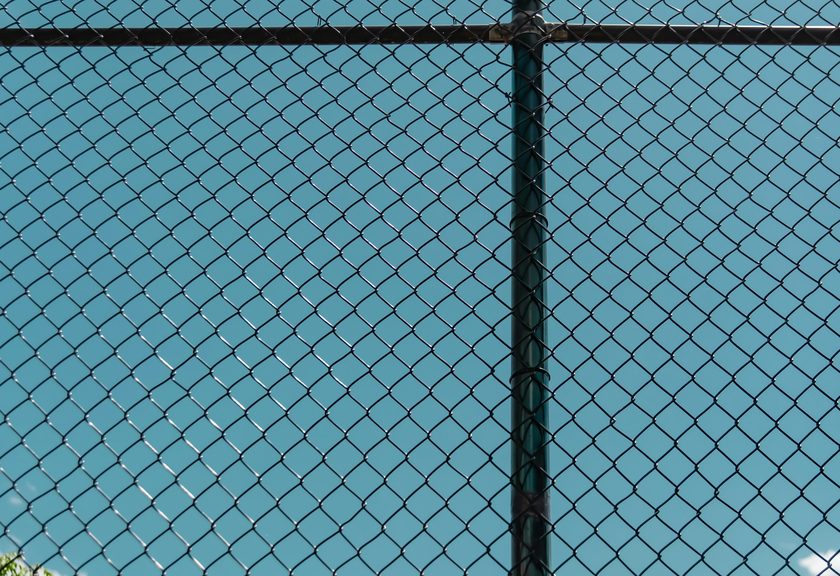
Bare galvanized wire and black vinyl-coated wire are the two usual looks. Black fades into shrubs and lawn better than bare metal does. For privacy, slats can be woven through the mesh, as in the white fence in the photos further down.
If your dog digs, mention it at the visit so the bottom of the fence can be planned with that in mind. To have chain link priced, tick the Chain Link Fence box on the form or ask when you call.
Not every call is for a new fence. Posts rot at the soil line, a section leans after a wet summer, boards split, and gates start to drag as their posts shift. Many of these can be put right without replacing the whole run.
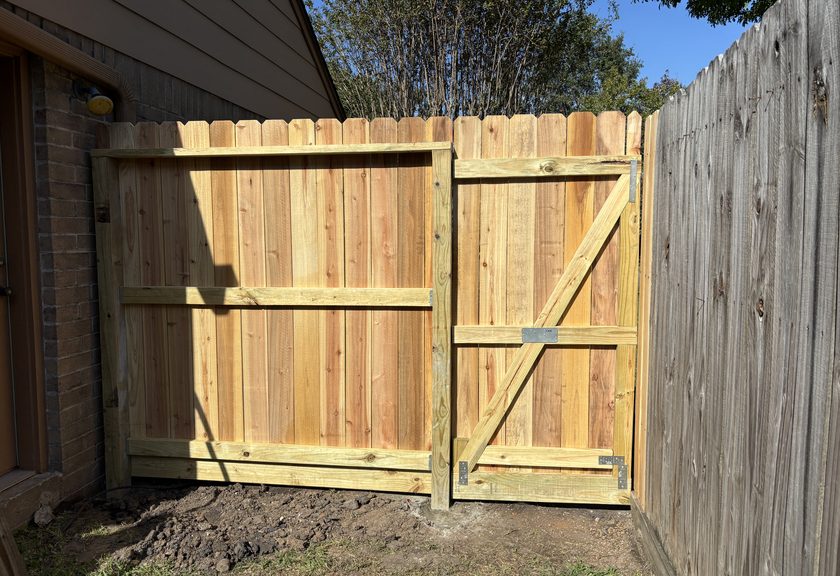
Gates take more wear than any other part of a fence. A double drive gate for a boat or trailer puts a lot of weight on its hinge post, and a sagging gate usually traces back to that post or to a frame that has pulled out of square.
After a storm, photograph the damage before anything is moved and ask your insurance company about coverage. Then call, and we come out and look. The fence repair page goes into when repairing makes sense and when it doesn’t.
A see-through fence keeps the view and a privacy fence blocks it. Many owners split the difference, with wood or vinyl along the sides and aluminum across the back. Ground near the water can be soft, and anything close to the shoreline is worth asking the city or county about before you plan it.
Many subdivisions in and around Lakeland have an HOA with its own guidelines on fence style, color and placement. Get approval in hand before the job is scheduled. The quote and a sketch of the layout usually help with the application.
A dog that jumps needs a taller fence, and one that digs needs a fence with no gap underneath. Small dogs can slip between pickets set wide apart. Chain link, with privacy slats if you want them, is a common middle ground.
Sandy ground is common across Polk County. It drains well after a summer storm but gives a post less grip than heavier soil, which is one reason fence posts here are generally set in concrete.
Subterranean termites are found throughout Florida and go after wood that touches the ground or stays damp. Treated posts help, and so does keeping soil and mulch from piling against the boards and aiming sprinklers away from the fence.


A fence belongs on your side of the line, so dig out the survey from your closing papers. If there isn’t one, or the corner markers can’t be found, a land surveyor can mark them. Guessing from the neighbor’s old fence is how disputes start.
We walk the line with you, measure it, note where you want gates and how the ground slopes, and talk through materials. Then you get a free quote, with no obligation.
If you have an HOA, send in its application with the quote attached. Check with the City of Lakeland’s permitting office, your own city’s building department if you live in another city (Auburndale, Bartow, Winter Haven, Mulberry and Polk City have their own), or Polk County in unincorporated areas, about whether your fence needs a permit.
Before any post hole is dug, have buried lines marked. That marking covers the utility lines, not private ones such as sprinkler pipe, a wire to a pool pump or landscape lighting, so flag those yourself.
Before the job is called finished, walk the fence with the installer. Swing every gate, try every latch, and point out anything that doesn’t look right.
No two yards are the same length or shape, so a fence company has to see each one before pricing it. The quote is free. These are the things that move it:
| Factor | Why it matters |
|---|---|
| Length of the line | Most of the price follows the number of feet of fence and the posts that go with them |
| Material | Wood, vinyl, aluminum and chain link are each priced differently |
| Height and style | A tall privacy fence uses more material than a low picket or an open style |
| Gates | Each walk gate or double drive gate adds hardware and a heavier post |
| The ground | Slopes toward a lake, big tree roots and soft ground near water all add work |
| An old fence | Taking down and removing the old fence first adds work, so mention it at the visit |
| Access | A backyard reached only through a narrow side gate slows the work down |
Want a real number? Call 863-216-6430 and we’ll set a time to come out and measure.
Lakeland summers are hot and humid, with afternoon thunderstorms most days. Those storms bring short, hard gusts, and a solid privacy fence catches wind much like a sail. Wet ground and wind together can tip a section, especially where posts were already loose.
Hurricanes reach this far inland too. Charley crossed Polk County in August 2004, passing near Lake Wales. Ian in 2022 blew down trees across Lakeland, and Milton in October 2024 left about two-thirds of Lakeland Electric’s customers without power. Falling limbs and uprooted trees cause much of the fence damage after storms like these.
Sun and moisture work more slowly. Wood grays and cups, mildew grows on fences in the shade of big old trees, and wet soil softens wood posts where they meet the ground. A walk along the fence each spring catches small problems while they are still small.
Inside the city, we cover neighborhoods such as Dixieland, South Lake Morton, Beacon Hill, the streets around Lake Hollingsworth and Grasslands, along with the newer subdivisions on every side of town. Beyond the city limits, we cover Lakeland Highlands, Highland City, Kathleen, Polk City, Auburndale, Mulberry, Bartow and Winter Haven.
Lakeland has 38 named lakes, from Lake Parker on the northeast side to Lake Morton and its swans downtown, so many Lakeland yards end at the water. Not sure your street is covered? Call 863-216-6430 and ask about your address.
Check before anything is built. Ask the City of Lakeland’s permitting office, your own city’s building department if you live in another city (Auburndale, Bartow, Winter Haven, Mulberry and Polk City have their own), or Polk County in unincorporated areas. Approval from a homeowners association, if you have one, is a separate step on top of that.
That falls to the homeowner. The survey from when you bought the house is the best guide, and if the corner markers have gone missing, a land surveyor can find and reset them. The fence follows the line you show, so it pays to be sure of it first.
That depends on the lot and on what the city or county allows near the shoreline, so ask them before planning a fence to the water’s edge. Many lakefront owners stop short of the water, or choose an open style so the view stays clear.
Wood privacy fences and chain link both suit most dogs, and vinyl works for many. The right choice depends on the dog, so describe yours when we come out and the fence can be planned around it.
Often it is, when the trouble is limited to a few posts, a section or a gate. When most of the posts have gone soft at the ground, a new fence is usually the better use of the money. The fence repair page explains how that call gets made.